
▽ 26:4 EMERGING ARTISTS 2026
+ DALLAS ART FAIR AFTER PARTY
eleven artists. one night. new media, technology, and art at the intersection of what’s next. we’re proud to present our 2026 emerging artists showcase: undergraduate, graduate, and recent post-graduate artists based in north texas, all working in video, sound, sculpture, projection, kinetics, performance and code.
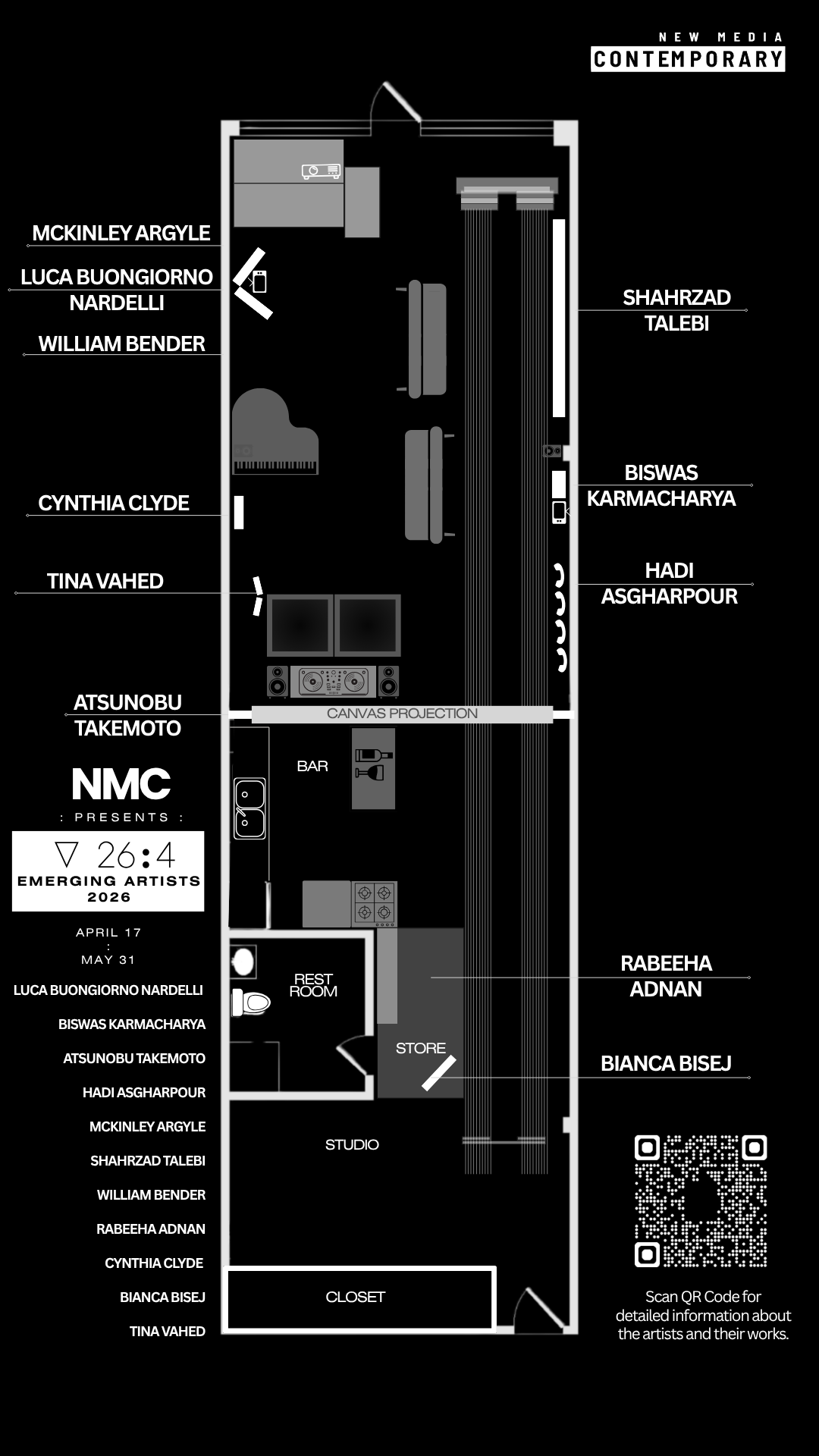
more about the artists and their work below the map.
/map
Luca Buongiorno Nardelli
+
McKinley Argyle
+
William Bender
-
DFW based violinist Luca Buongiorno Nardelli is a performer and recording artist whose work spans across punk, rock, pop, classical, contemporary, and jazz music. A graduate student in Ethnomusicology at the University of North Texas, Luca holds dual bachelor's degrees in music and physics from UNT. His research interests focus on cultural revitalization programs, community organizing, and multi-musical expressions of identity, while his current creative projects explore improvisation, intermedia, and interdisciplinary approaches to music.
-
McKinley Argyle is a documentary director and cinematographer based in Denton, Texas, whose work explores stories of counterculture and community. She leverages the power of documentary filmmaking to bring complex stories and vital knowledge into the public eye, compelling viewers to think critically and engage with the world beyond the mainstream.
-
William Bender is a Texas-based guitarist, bassist, and composer of acoustic and electronic music. His music has been presented at the MOXSonic and LATEX festivals, as well as performances from the Merz Trio. He regularly performs as a guitarist and bassist for various genres around the state, mostly in the DFW and Austin area. His music focuses on the natural world, meditation, and listening on a deeper, more intense level, utilizing extreme length and stasis.
-
“Anthropocene” explores unity through the disjunction and unification of “elements”. Taking the form of a multi-media, audio-visual, interactive piece, common themes of breath, rhythm, dynamic, static, and texture are explored within the audio-visual space. Originally intended for 5 screens and spatialized audio, the core audio-visual content explores Nature, Water, Industry, and Energy. What begins as disconnected, segmented, and individualized space, becomes unified through a process of blending these thematic elements across the audio-visual space. Intended as a cognitive experience of reharmonization, these themes act as hinges between spacetime, unified, unfolded, and enforced through the breath and concentration of the audience.
Biswas Karmacharya
-
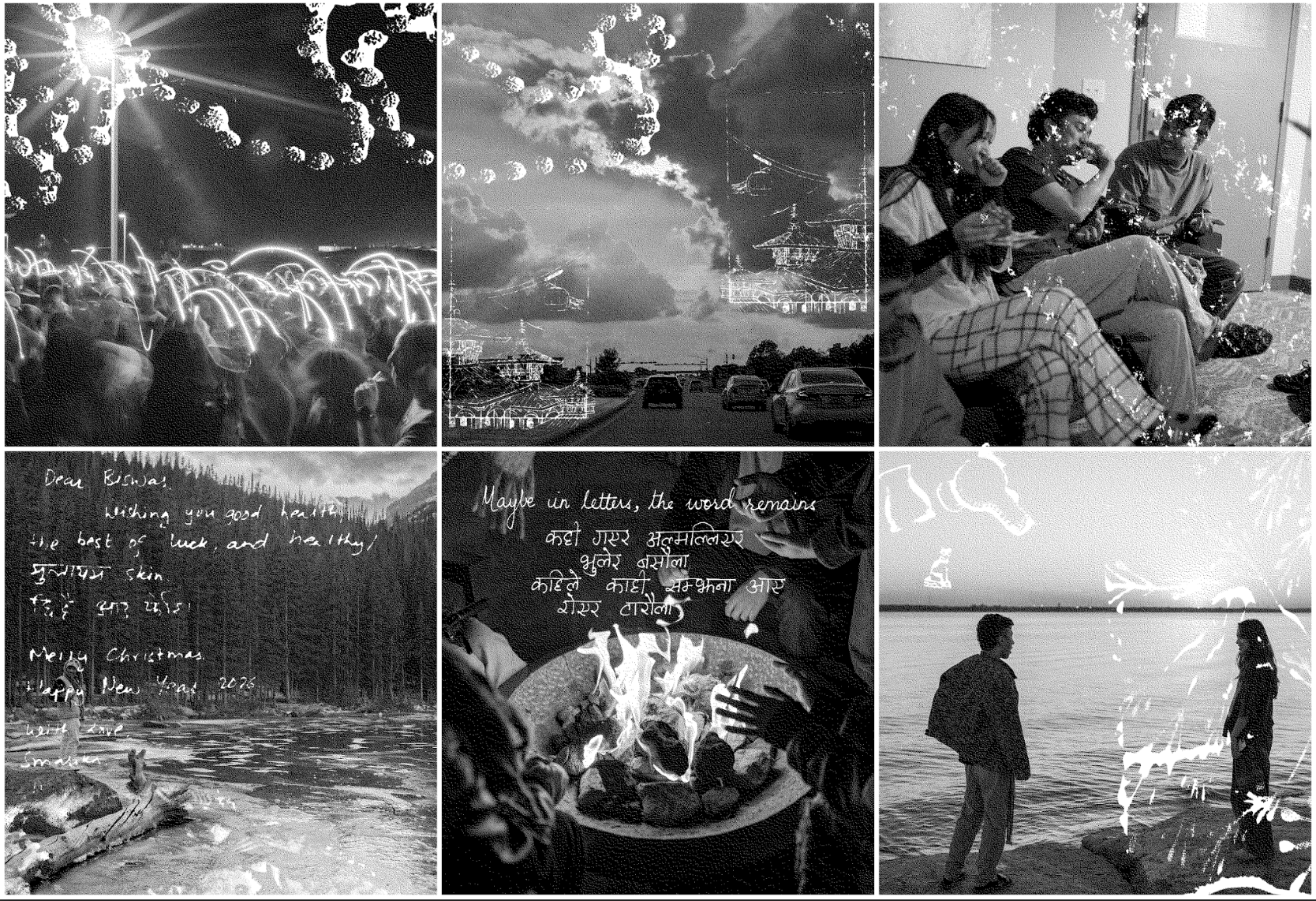
I am from Nepal and am currently based as a student in Denton. I have a deep interest in video manipulation as a medium and a form of expression. My passion for cinematography has allowed me to constantly update my archive of original videos which are frequently used in curation of my artwork. I am motivated by the process of curating conceptual narratives that are personal while also being simple and relatable at the same time.
-
My interest in creating art stems from my personal desire to emapthize with myself. My experiences have given me a perspective that the navigation of simple living has become a much more complex task than it used to be.
With my work, I want to make people feel important about themselves, understand what I am feeling and hopefully make others relate to it too. I want to convey the beauty of existence by making things simpler and making my audience feel bigger for just existing
Atsunobu Takemoto
-
A Japanese new media artist. Through studying abroad in diverse cultural contexts such as the United States and Germany, he engages with a wide range of perspectives and continually approaches both himself and the world from multiple viewpoints. Working primarily with video, photography, installation, and generative AI, his practice explores how human existence becomes unstable and selectively perceived within contemporary information society, urban environments, and the rapid advancement of technology. In his work, he presents social structures from a certain distance, deliberately avoiding clear answers in order to evoke a sense of discomfort and inquiry in the viewer. His work invites viewers to reconsider their own position and relationship to others within these structures.
-
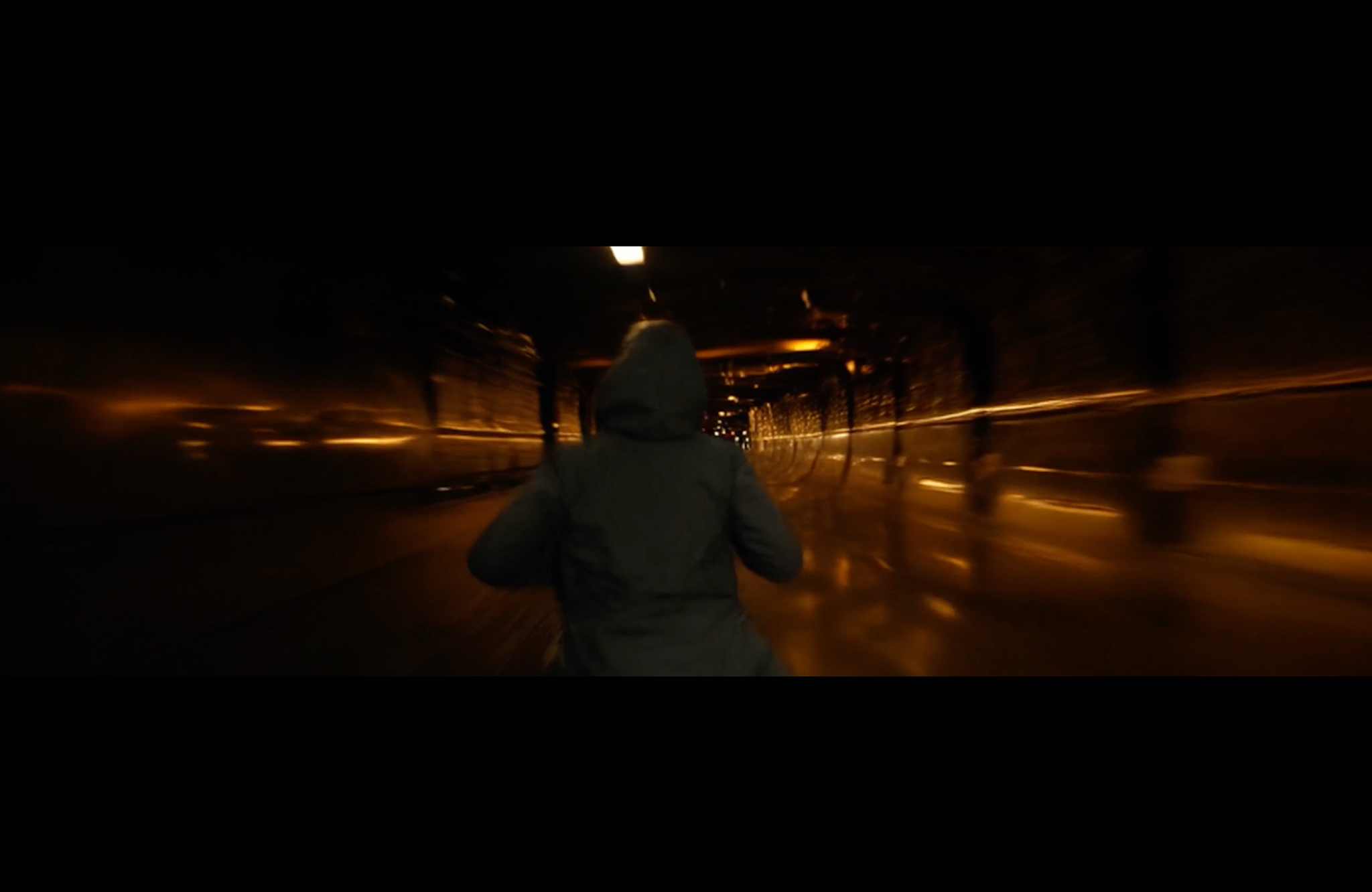
This work is a short film created using generative AI, exploring the presence of minorities within society. It is inspired by my experiences of feeling isolated while living as a foreigner in Germany and the United States (Texas), as well as the loneliness I felt growing up in Japan as a sexual minority, where I often had to conceal my identity.
The narrative centers on an invisible man. Although he physically exists, he is treated as if he does not exist within society. In the latter half of the film, humanity reaches its final day on Earth and escapes into space, leaving behind those who have been overlooked. This situation symbolizes the structure of contemporary society, where majority perspectives are prioritized, and minorities are often excluded from the very definition of “we.”
Throughout most of the work, human bodies are not depicted; instead, coats function as markers of presence. In this context, the coat does not conceal the body, but rather reveals existence. For those with invisible bodies, clothing becomes a necessary means of asserting that they are there.
This work was primarily created using WAN 2.2. Generative AI allowed me to express my personal experiences without directly showing my own body. As a minority, my experiences are something I want to share, yet they are also accompanied by internal conflict. For me, AI functions as a medium that enables expression within this contradiction—the desire to reveal, and the need to conceal.
Additionally, AI was used as a tool to depict extreme scenarios, such as meteor impacts and a ruined world where people are left behind—scenes that are difficult to produce in reality. This approach is influenced by my experience of the 2011 Great East Japan Earthquake. Witnessing the overwhelming force of nature taught me that humanity is fragile and cannot control the world around it. This sense of vulnerability and uncontrollable reality informs the depiction of a collapsing Earth in this work.
Hadi Asgharpour
-
Hadi Asgharpour is an interdisciplinary artist and PhD student in Visual and Performing Arts at the University of Texas at Dallas. His practice brings together installation, sculpture, video, and interactive technologies to explore memory, migration, environmental loss, and human relationships with more-than-human worlds. Using found objects, handmade forms, sensors, motors, and projection, he creates works that invite viewers into emotional and embodied encounters. Asgharpour received his MFA in Creative Practice from UT Dallas in 2025. His work has been exhibited nationally and internationally, including in Brazil, Italy, the Netherlands, and at the Amarillo Museum of Art.
-
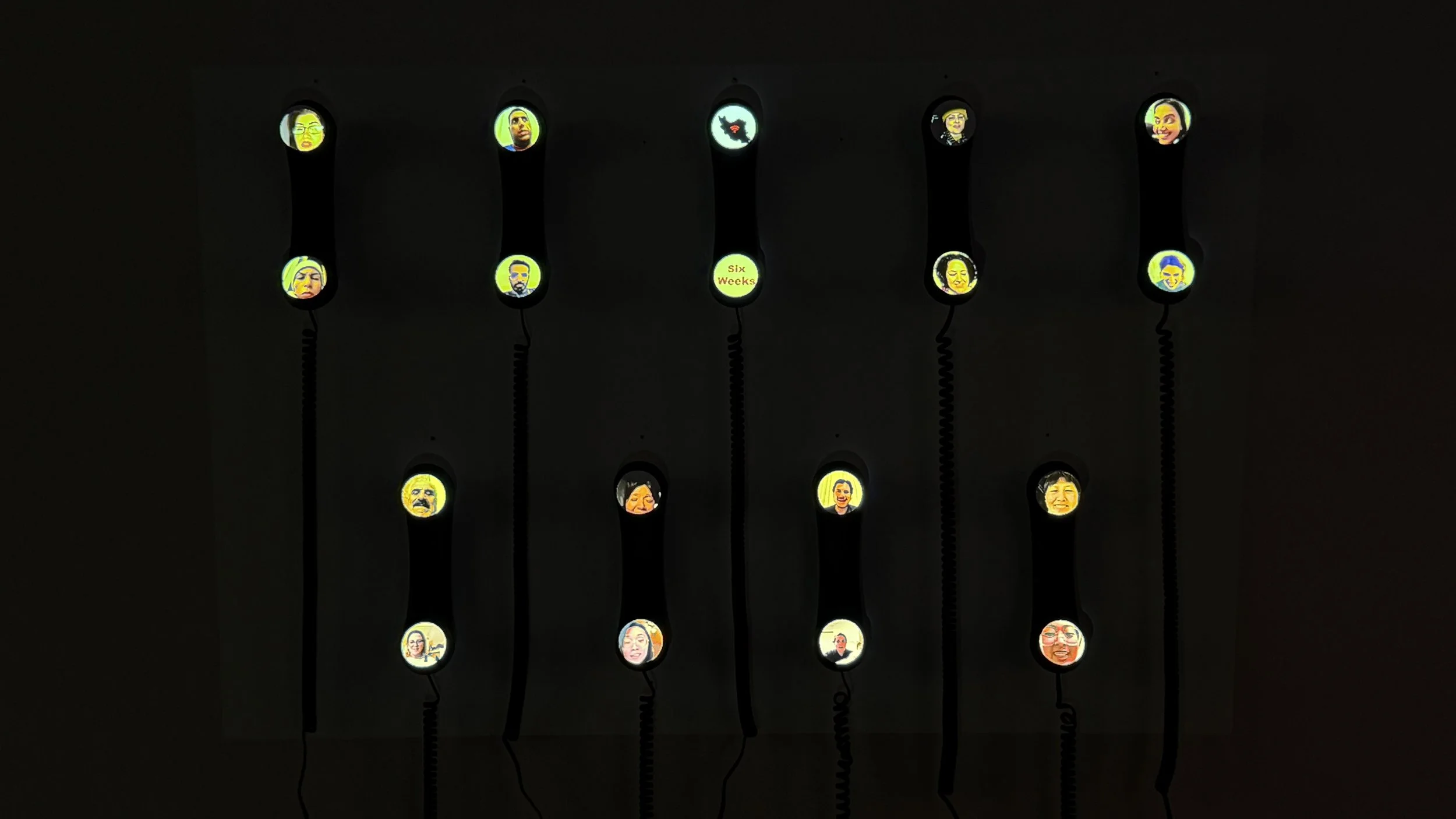
TimeZone is a collaborative project by Hadi Asgharpour and Maedeh Asgharpour that explores distance, migration, and the emotional weight of communication across borders. The installation uses old telephone handsets as sculptural objects onto which recorded video calls between immigrants and their family members are projected. One face appears on one end of the handset and the other on the opposite end, turning the phone into a carrier of presence, absence, and longing.
We are interested in the contrast between older communication technologies and today’s digital video calls. In the past, families often waited days or weeks for contact. Now communication is immediate, yet emotional distance still remains. By bringing obsolete telephone handsets together with recorded video conversations, TimeZone connects these two temporalities: an earlier history of delayed connection and a contemporary condition of constant yet incomplete access.
The work is grounded in real conversations rather than staged performances. Because of this, it carries the intimacy, awkwardness, care, and pain of everyday life. Public sound fills the space, allowing private longing to become a collective experience. TimeZone is not only about technology as a tool, but also about technology as an emotional infrastructure through which homesickness, belonging, and separation are lived.
Shahrzad Talebi
-
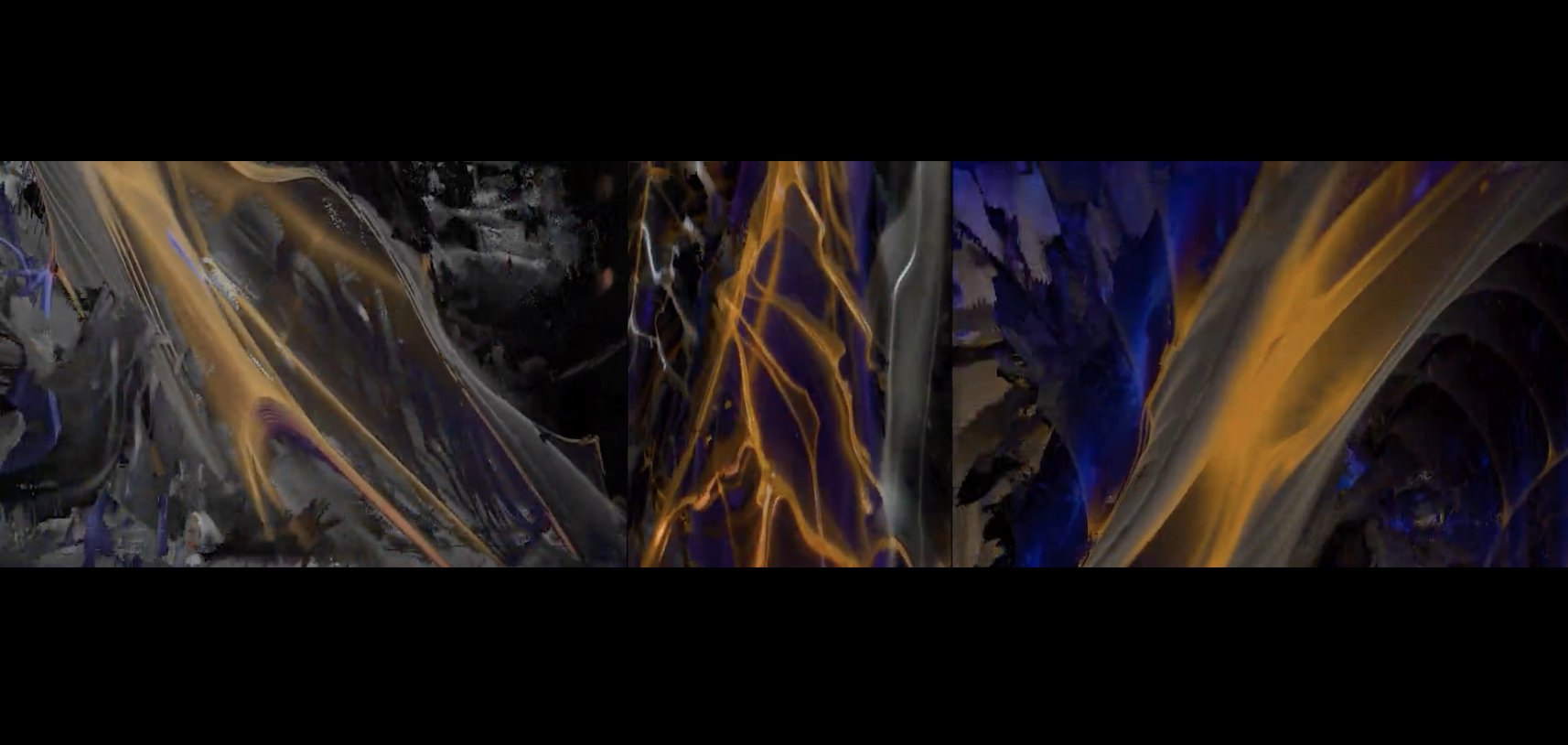
Shahrzad Talebi is a composer, sound artist, and educator from Tehran, Iran. Her music draws inspiration from a wide range of human experiences, from personal to political, and poetry. Characterized by dense and complex textures, her work is focused on timbre as a means for exploring new soundscapes, color, time, space, and concepts. Her compositions has been recognized and performed at the Electronic Music Midwest Festival, Splice Festival, Taproot New Music Festival,
Toledo Symphony Orchestra reading session, BGSU MicroOpera, Fifteen Minutes-of-Fame (Drew Hosler), the electroacoustic music competition “Reza Korourian Awards”; and has been performed by Unheard-of//Ensemble as part of the Klingler ElectroAcoustic Residency, Splinter Reeds and The _____ Experiment Ensemble.
She holds a bachelor’s degree in composition from Tehran University of Art and a master of music from Bowling Green State University. Currently, she is pursuing a Ph.D. in composition at the University of North Texas as a teaching fellow.
Rabeeha Adnan
-
Rabeeha Adnan (b. Lahore, PK) is an interdisciplinary artist working with projection mapping, sound, text and installation through site- and condition-specific body of work. Central to their work is an exploration of institutional power dynamics and spatial semiotics which inform their ongoing investigation into ‘choreographies of power’ that occur when people encounter their work. They examine power dynamics within social institutions by questioning our use and understanding of language(s) and ways in which we encounter it, psychogeographies, and bureaucratic and infrastructural systems.
Rabeeha received their MFA in Sculpture + Extended Media from Virginia Commonwealth University (2024, Richmond, VA) and their BFA from National College of Arts (2021, Lahore, Pakistan). They are currently pursuing a practice-based PhD in Visual and Performing Arts at the University of Texas at Dallas. Rabeeha has exhibited their work internationally, including Bronx River Art Center (2025, Bronx, NY), VCUarts Qatar (2025, Doha, Qatar), Southern Survey Biennial II by Project Row Houses, (2024, Houston TX), Lagos Biennial (2024, Lagos, Nigeria) and Karachi Biennale (2022, Karachi, Pakistan). They will be attending Skowhegan School of Painting and Sculpture as a resident in 2026.
-
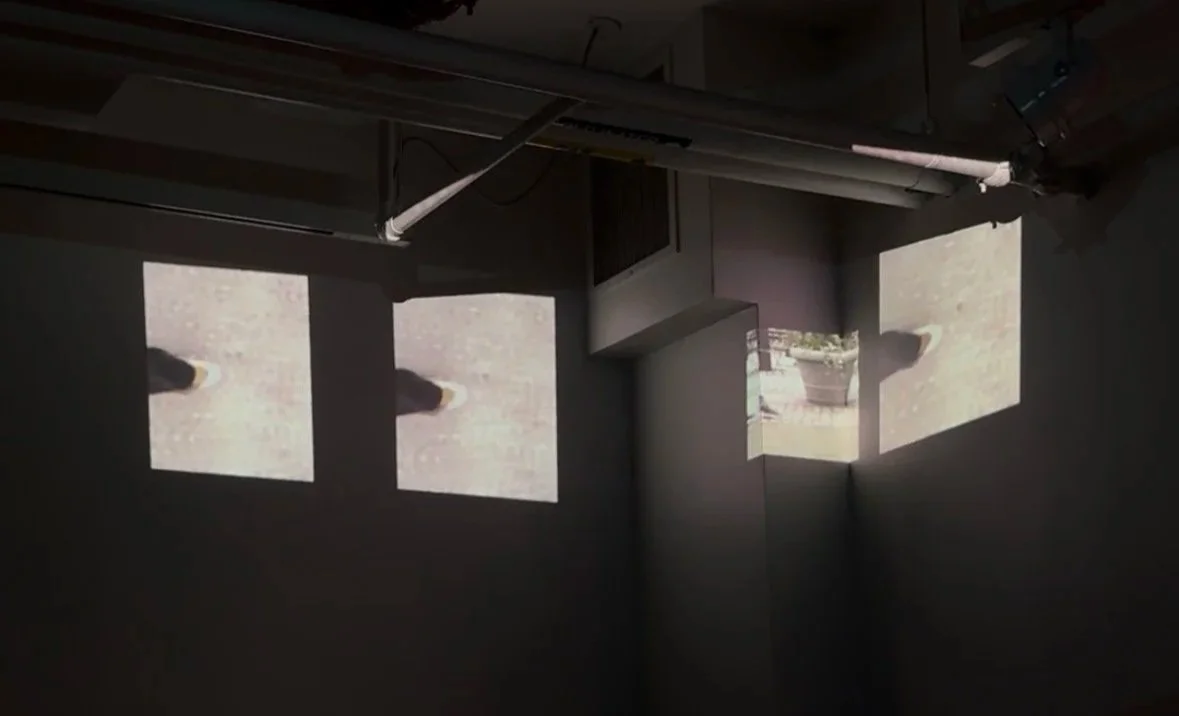
Fractured words and disrupted light appear and disappear, fighting for form across architectural real estate. Walls absorb sound and create haptic zones – over multiple points of contact. Existing parasitically with standardized architecture of the gallery, modular_refusals_4 employs light and sound as sculptural materials that reveal, reorient and (counter) map
Borrowing from Sarah Ahmad’s ‘A phenomenology of whiteness’ and ‘Queer phenomenology’—both of which speak of a politics of disorientation—I intend to explore spatial relationships where evidence of power at work first emerges within one's own body by provoking certain movements and gestures required to engage with the work. My concerns are informed by my lived experiences in Pakistan and the United States of America.
My material inquiry is expansive and sculptural. In what ways can our definition of material and surface be expanded further? How can discourse challenge material hegemony when material is no longer defined by tangibility? What would it look like to create an index of material forces (art and non-art) which orchestrate how we move through space?
Cynthia Clyde
-
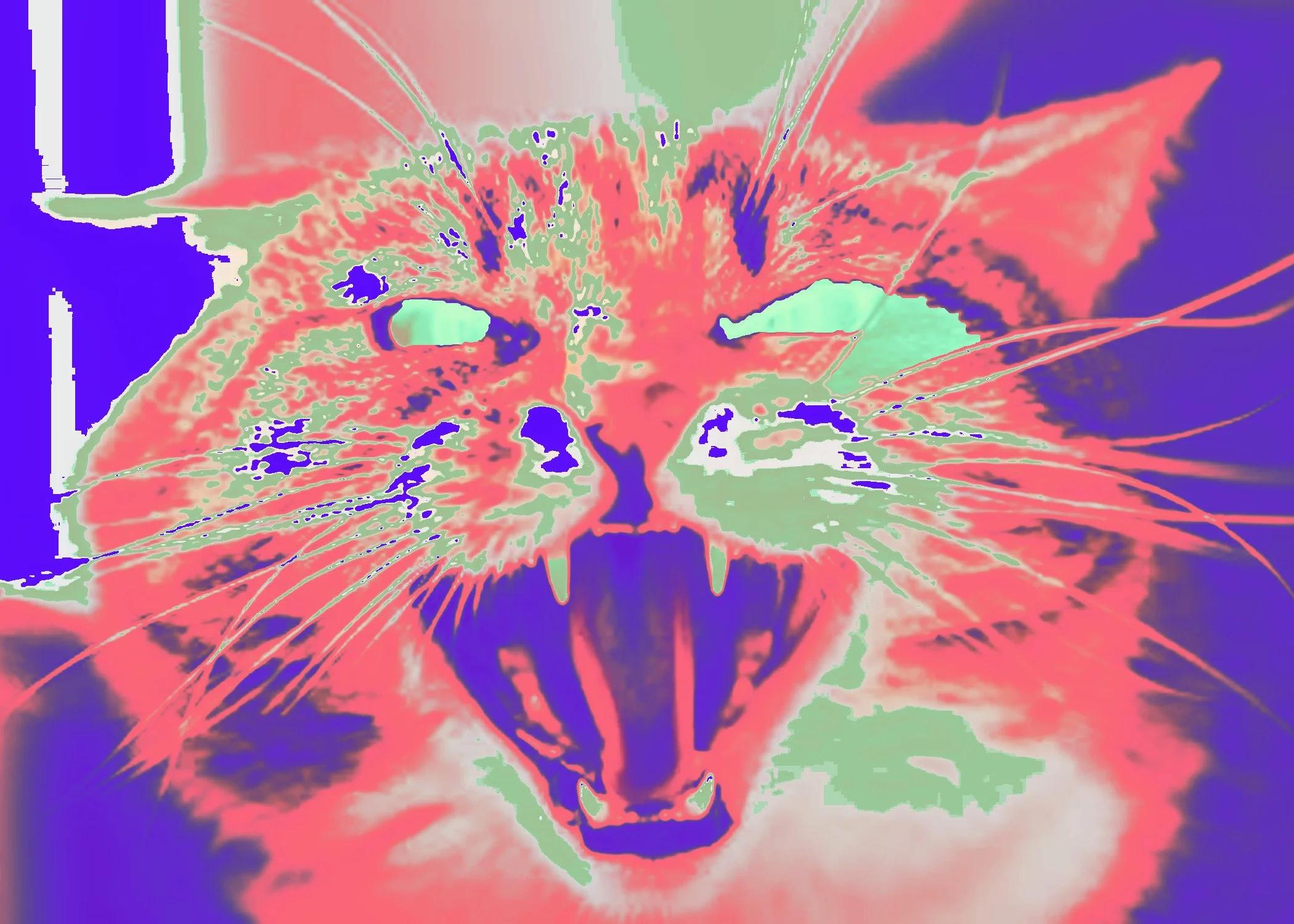
Cynthia Clyde or xmyri is a musician and new media artist based in the Dallas-Fort Worth area focusing on interactive video & installation, electronic/computer based music & sound design, and digital image making. Starting as a pianist and drummer, Clyde began to create her own music on a laptop after discovering staple IDM records of the 90s. Through diving into online electronic music making communities, she gained an interest in audio-reactive visual art. Since then, her creative interests have expanded to include 3D art, interactivity, video, and sound design.
-
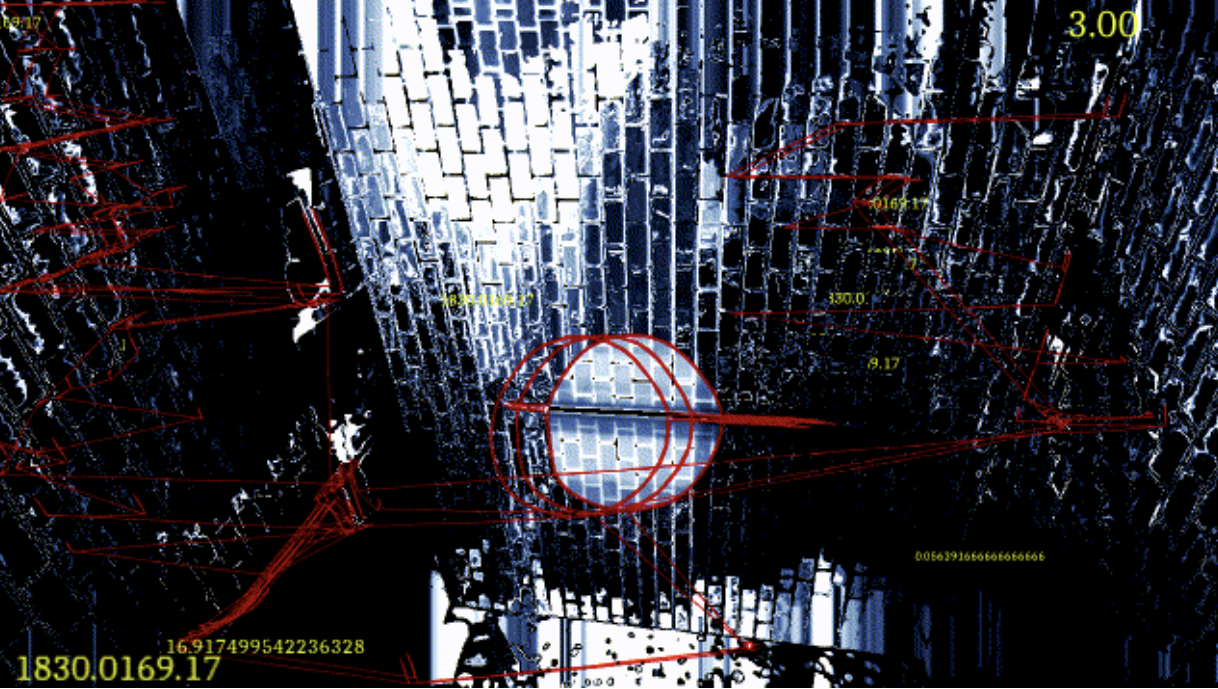
My work explores PTSD and other mental conditions, abuse, coming to terms with the self, and other personal experiences. I reach into my discomfort to depict my intense fear of the world and myself. I choose to primarily work digitally because the digital realm fundamentally is limited and quantized, yet allows for change and possibility, comparable to the human, and more specifically, the traumatized mind.
Bianca Bisej
-
Bianca Bisej is an American multimedia artist who is particularly interested in creation through intuition. Mostly focusing on topics of the mundane, sex, and all things stupid, they think, create, and perform conceptually to form something that’s fulfilling to her and the material he’s working with. Whether that material be plaster, foam, latex, or their own body, she attempts to communicate with and understand it in whatever way he can. Bianca is currently pursuing a degree in sculpture at the University of North Texas, where they plan to graduate in the fall of 2026.
-
As time moves on, we slowly begin to create modern artifacts. But these artifacts aren’t always physical. Digital artifacts tend to manifest themselves in some deep cavern of the internet archive. But what if, one day, a digital archeological expedition was launched in order to stock the podiums of a digital museum? What I have created is a satirical approach to the idea that one day we will all huddle around an artificial tour guide to view objects and images from a bygone era of the internet. Mirroring exactly what we do today in our physical museums as we ogle classical sculptures, paintings, and artifacts that we give countless meanings to despite the fact that we will never know the true reason why many of them were created.
Tina Vahed
-
Description text goes here
-
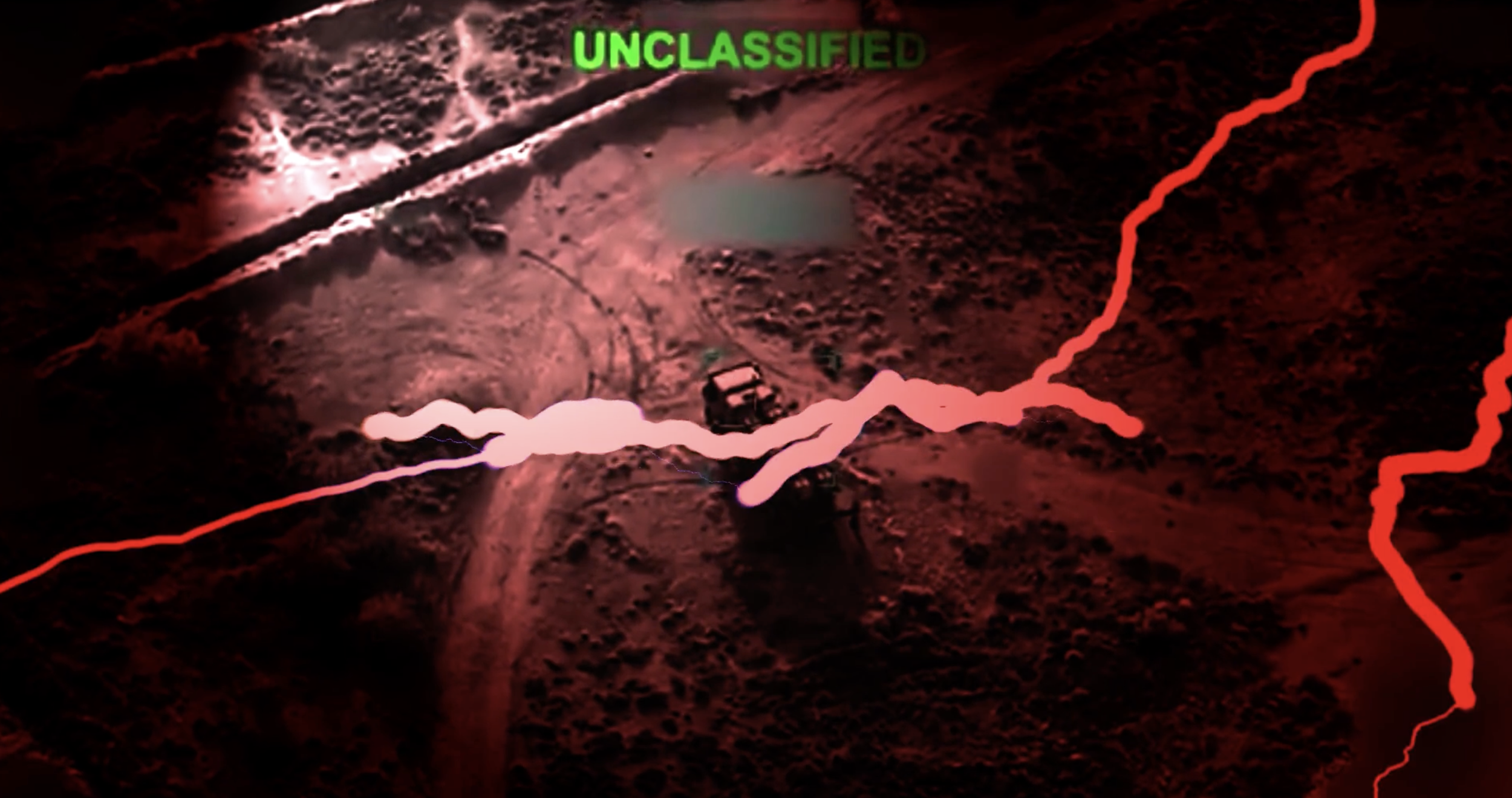
Tina Vahed is a multidisciplinary artist working across performance art, video art, experimental filmmaking, installation, and photography. Her practice is rooted in self-experience, exploring how identity, memory, and emotional life are shaped by social environments and political conditions.
Working through improvisation, observation, and moving image, Vahed examines the intersection of the intimate and the collective. Her work is concerned with how personal experience is formed through displacement, gender, power, and the tensions of everyday life. Rather than treating the self as something isolated or fixed, she approaches it as something continuously shaped by surrounding structures, histories, and spaces.
Her works often begin from small actions, lived moments, and fragments of experience, which she develops into images, moving-image works, and installations. Through this process, Vahed creates works that connect private feeling to broader social realities, opening a space where vulnerability, memory, alienation, and resistance can be understood both personally and politically