
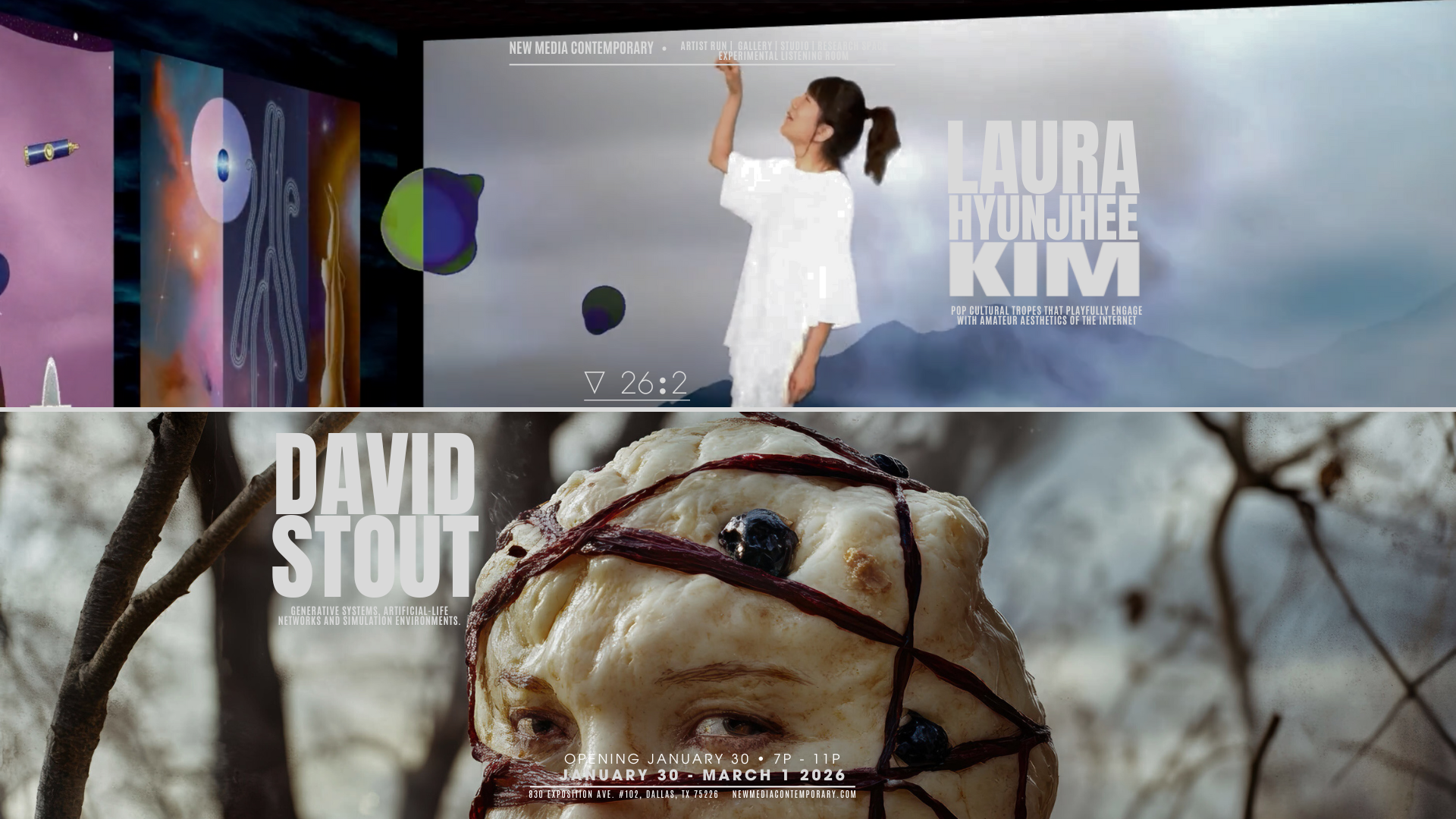
NEW MEDIA CONTEMPORARY PRESENTS: 26:2
Featuring artists DAVID STOUT and LAURA HYUNJHEE KIM
Opening January 30, 7-11pm | On view through March 1.
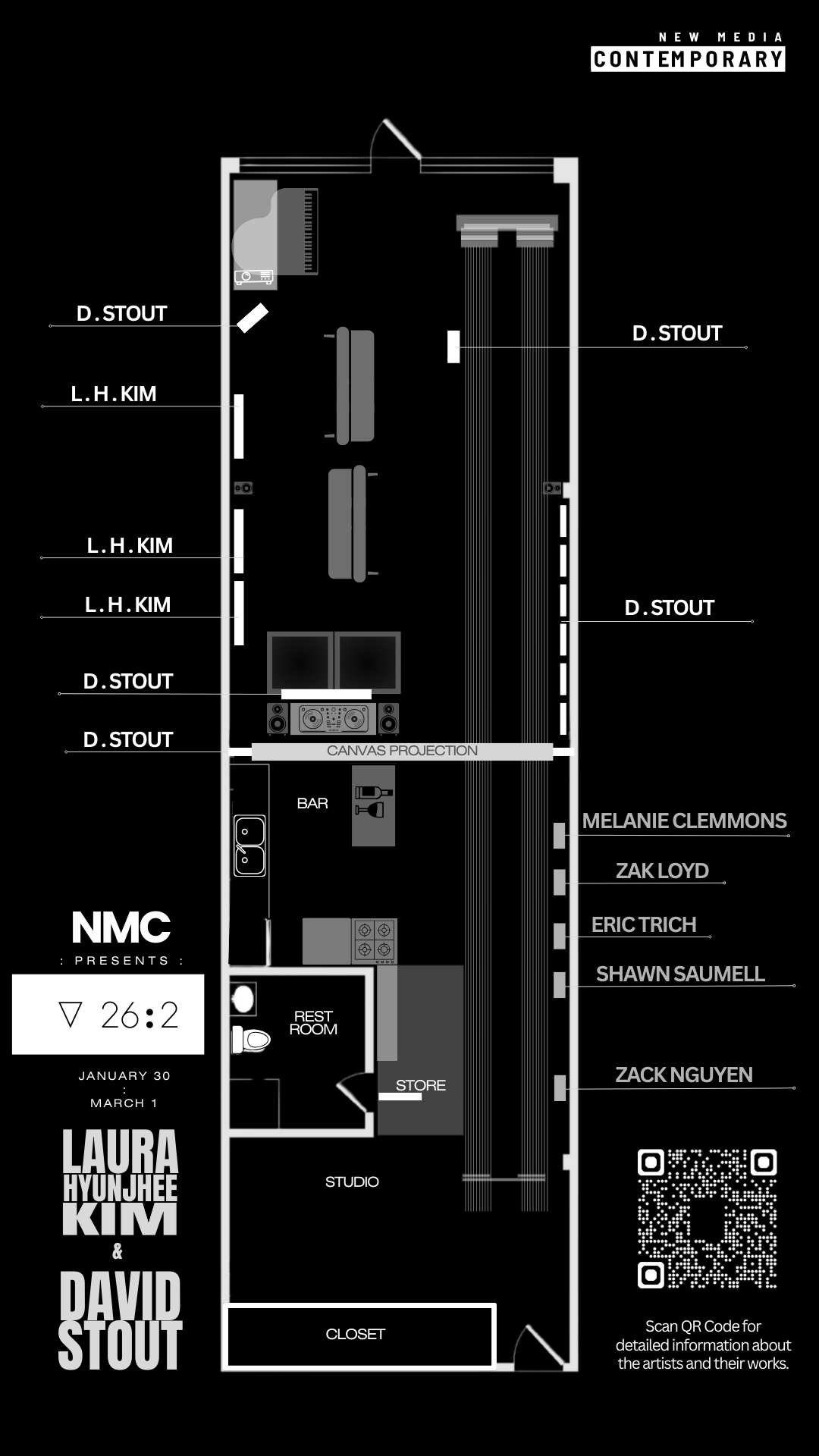
DAVID STOUT
David Stout (MFA CalArts) is a visual artist, composer, electronic instrumentalist and performance director working across traditional arts and emerging technologies. His award-winning practice spans live cinema, interactive video, electro-acoustic music, and immersive projection performances. Recent projects explore generative systems, artificial-life networks, and simulation environments. He cofounded interactive media ensemble NoiseFold, exhibited worldwide from Morocco to Texas. Current work encompasses electronic sound, visual music, audio-visual transcoding, VR, and glassmaking—including artist residencies at Pilchuck Glass School and Museum of Glass, where his work enters the permanent collection. At University of North Texas, he directs the Hybrid Arts Laboratory, coordinates iARTA (Initiative for Advanced Research in Technology and the Arts), and holds joint professorship in Music Composition and Studio Art, teaching Intermedia Performance.
(VERTICAL SCREENS)
V-Cinema Series - Speculative Sculpture and Installations
An ongoing series of short video miniatures that visualize fictional artworks and musical experiences that bend reality. The series rests at the nexus of audio-visual poetics, science and metaphysics. The infinitely looping films are designed for both physical exhibition and on-line dissemination.
[Program 1]
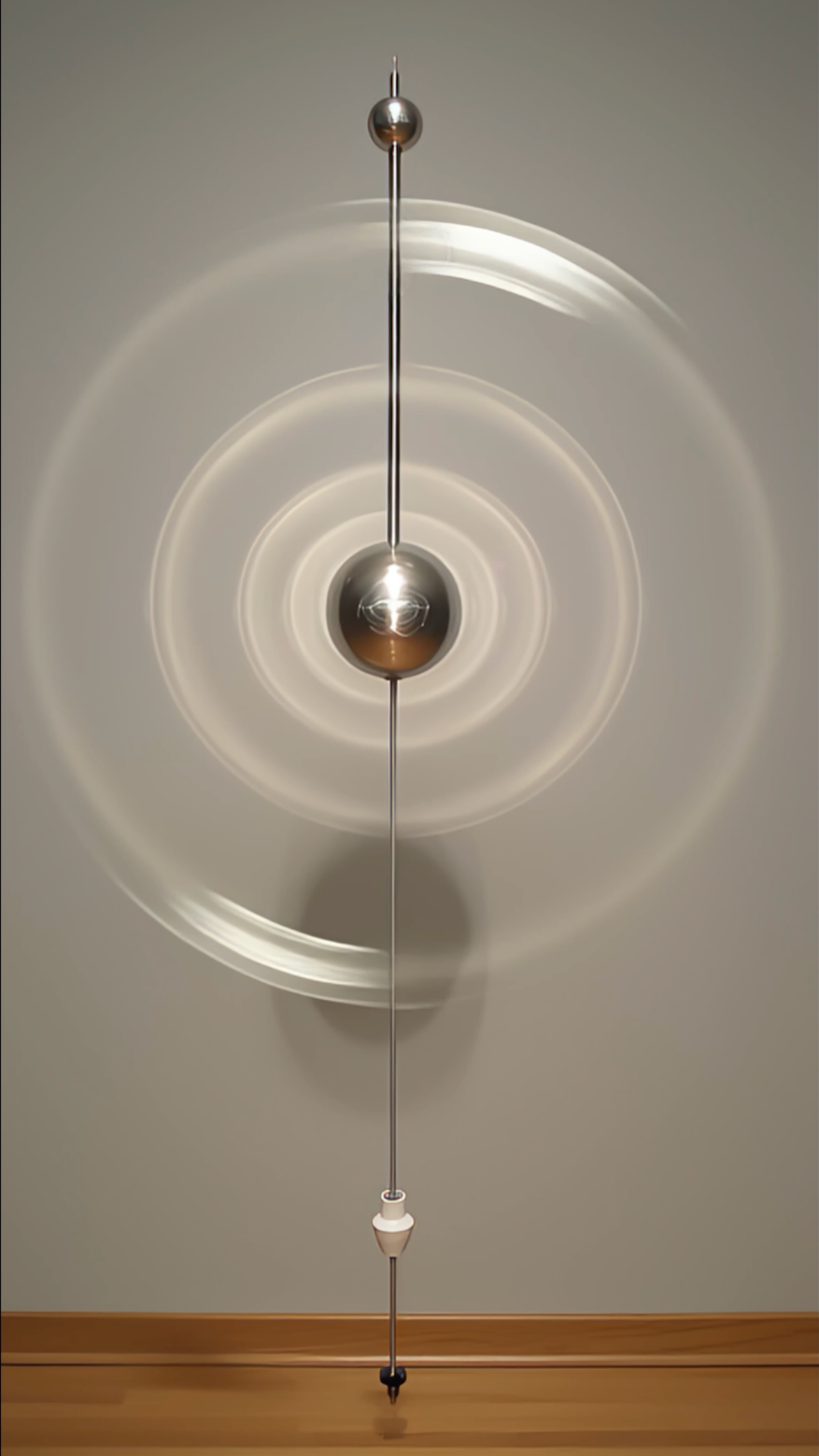
Helios (2025) Depicts an oscillating Sun Machine in the form of a speculative sculptural object emitting radial formations of spinning sonic light. Time Dilation I (2025) Time Dilation is the phenomenon where time passes at different rates for observers depending on their relative velocity or position in a gravitational field. This speculative audio-visual sculpture seemingly synchronizes and transforms the viewers in the room.
The Auric Vessel (2025) is a visual music miniature created utilizing samples and musical phrases prompted with gen-AI and then organized, layered and remixed with acoustic sounds. The image is similarly the result of a prompt exploring installation scenarios inspired by alchemical processes.
When the Rain Calls Your Name (2025) An encounter with the ineffable.
[Program 2]
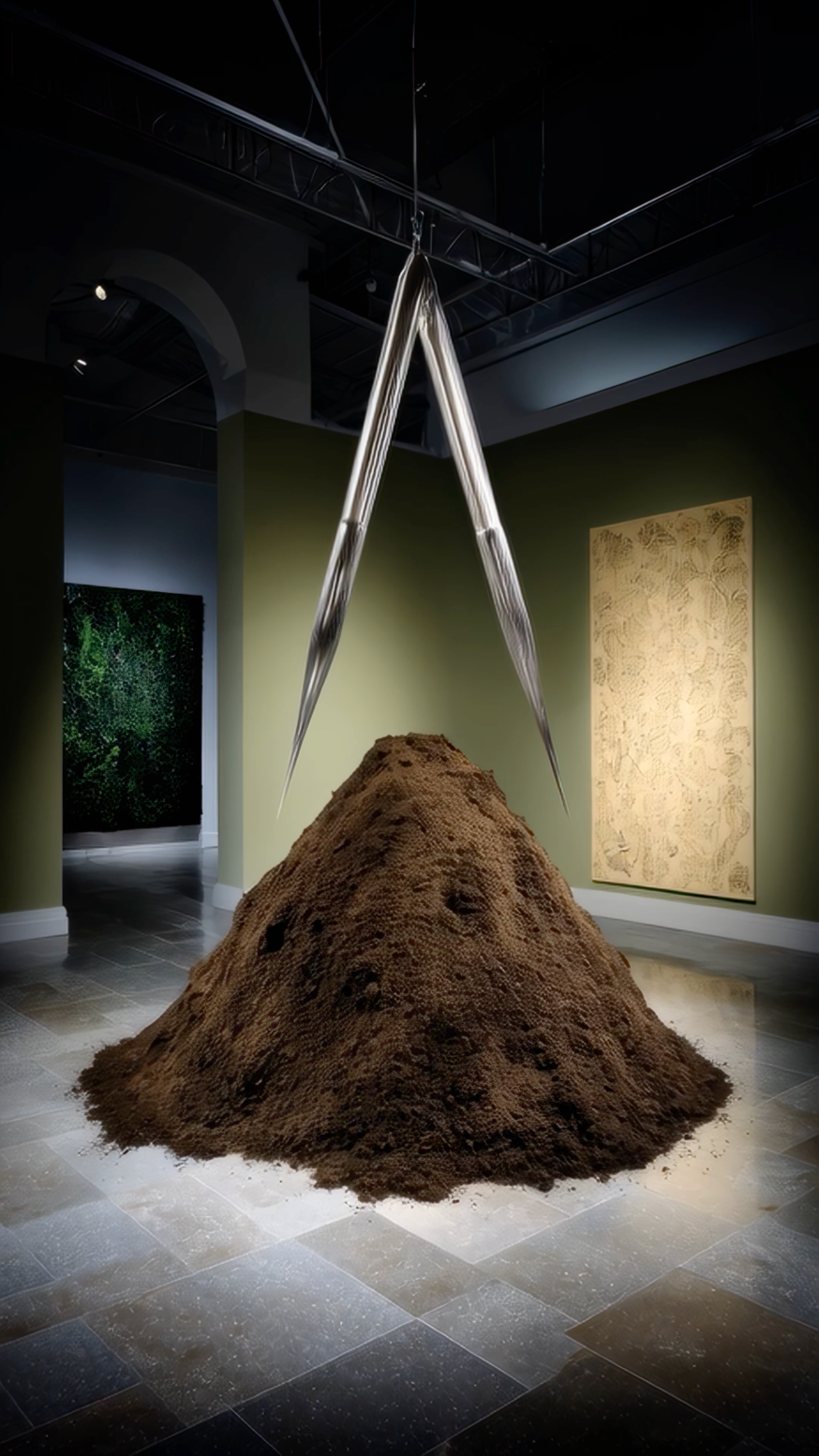
The Measure of All (2025) A kinetic museum installation that draws attention to our Earth as a living, "breathing" being. Photosynthesis (Inhale) + Respiration & Decay release of CO2 (Exhale) + Oceanic Exchange + Volcanic Activity (Deep Breath). This short, infinite video loop acknowledges both the empirical measurement and metaphysical knowing that all of being exists within a single breath.
Strength in Numbers (2025) A depiction of infinity embodied in a set of site-specific self- replicating sculptures. Do they have a specific utility? Where do they come from? These questions underscored by the subliminal sounds of boiling water and a resolutely male choir. Raising temperatures? Men at the helm? Where are they taking us? When does it end?
Wave-Trap (2025) site specific installation located at the nexus point of an inter-dimensional portal - GPS coordinates provided. Look it up.
(ON THE CANVAS PROJECTION SCREEN AND STAGE SCREEN, TWO VIDEOS)
VIDEO 1:
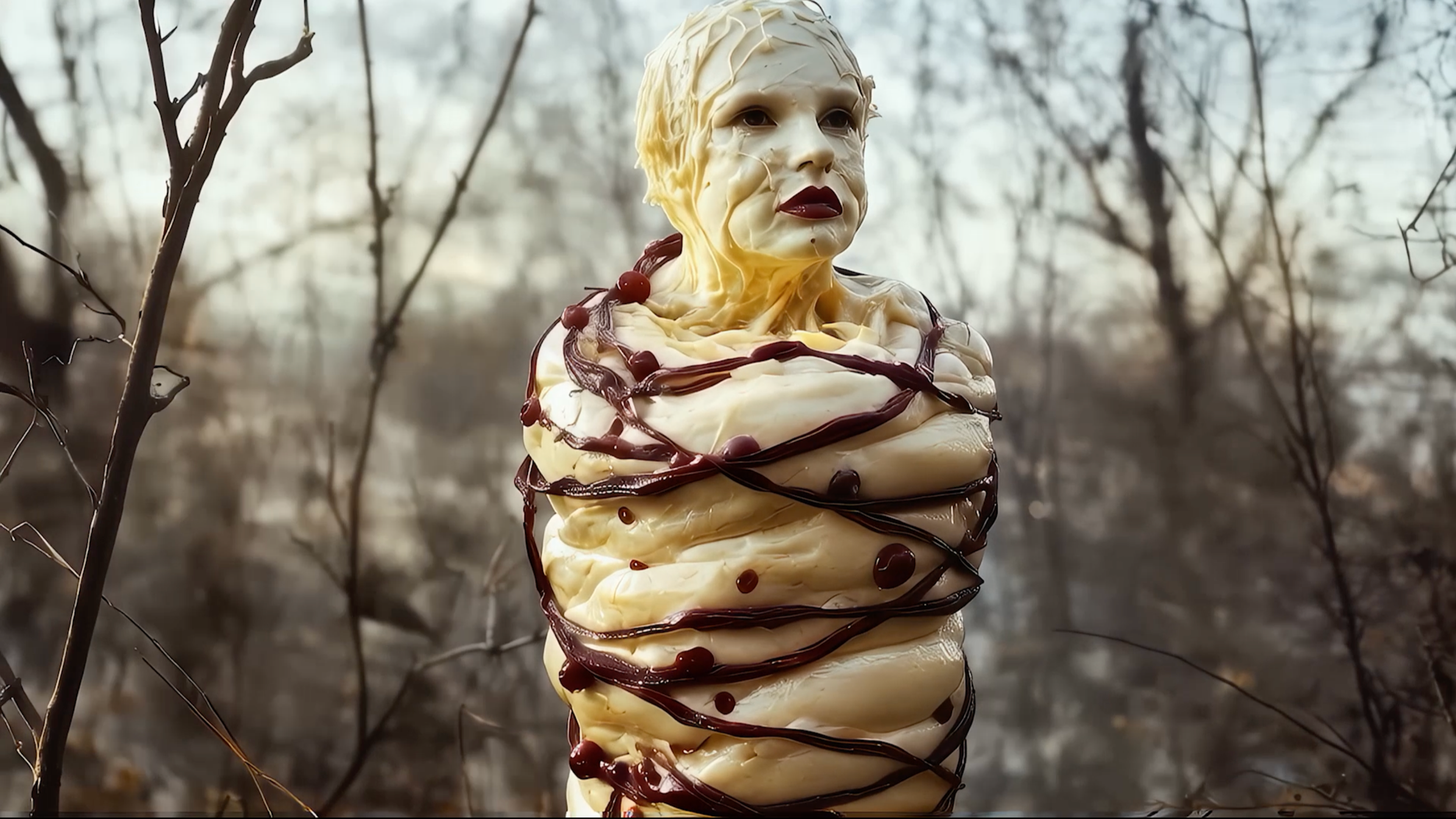
“Our Hands Were Tied” (2026) is a common excuse to avoid culpability. The film is an unsettling rumination on the secrets we keep, the traumas we hold and the masks that we wear.
The cast of hostages, suffering from ambiguous self-inflicted and/or societal tortures, are simultaneously rendered as victims, perpetrators and innocents who, try as they might, cannot fully outrun or shed their own judgements, postures or denials.
The film draws inspiration from diverse traditions including Eastern European stop-motion animation, Japanese Butoh, and artist Joseph Beuys’ use of fat as a visceral aesthetic material.
None of these artistic references are used in the prompting of AI imagery, other than a variety of qualitative descriptions of lard, butter and fat. Instead, the prompting strategy is focused on emotional resonance and specific gestural evocations much like the director’s work with physical actors and dancers. Similarly, the sample library used to construct the music was also prompted with AI and then sliced into bits and mixed with foley, environmental sound, electronic instruments, and vocal utterances.
VIDEO 2:
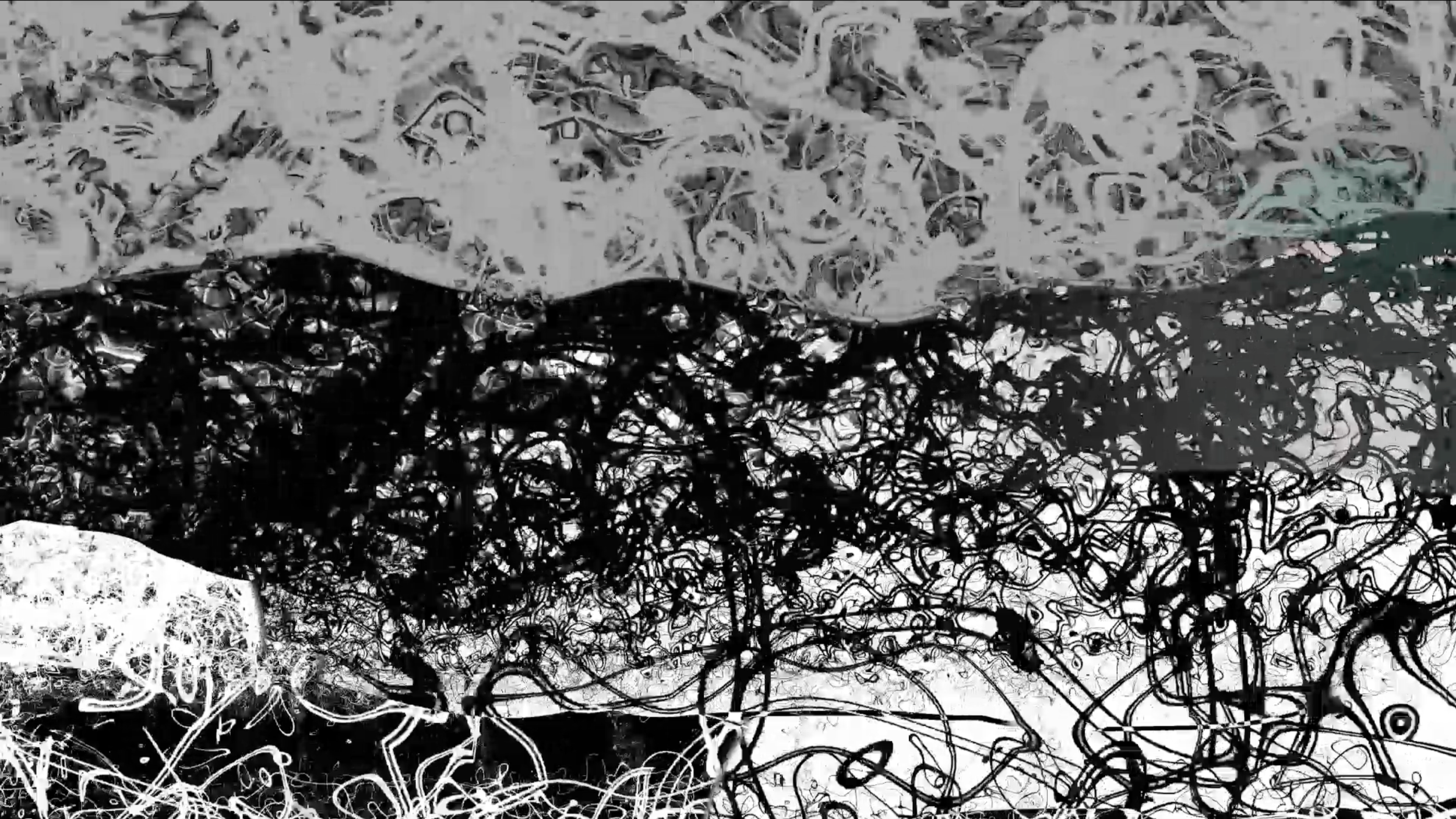
Contours and Coincidence (2021) is a generative exploration of bio-morphic forms found in the natural world. Contrasting bold graphic gestures with lilting lines and chaotic filigree, this work draws inspiration from the tradition of hand drawn experimental films. The music score eschews David’s typical use of image sonification and synthetic sound sources, instead the work consists entirely of sounds taken from short wave, FM and AM radio broadcasts. As such, it is both performative, in the sense of incorporating dial scanning between stations, while also being highly composed using carefully drawn envelopes to sculpt each audible moment.
Computational media, like the pencil, is a prosthesis extending the reach of the hand, the tongue and consciousness itself. Using generative image techniques as a form of contemporary scrying to activate a deeper imaginal realm in play at the liminal edge of the mind’s default pattern recognition states.
(SELECTED PRINTS)
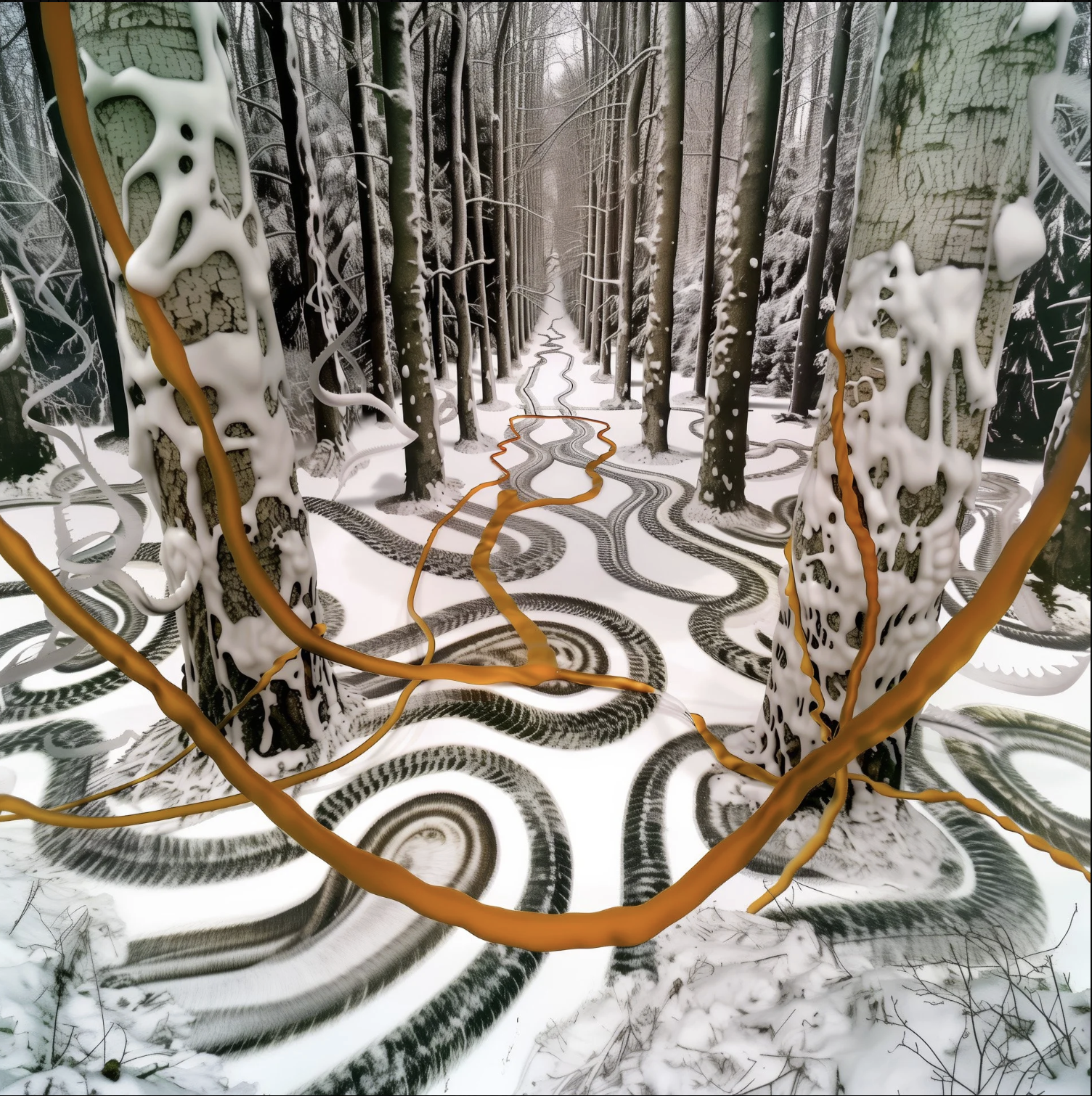
Walking the Dragon Path II (2024) is a print series created in the year of the dragon that celebrates the archetypal aspects of an enduring myth that appears across many cultures in various guises. In the west, associated with fire and animal instinct, the dragon must be slain for the hero to reclaim the hostage feminine and a crowning treasure hoard. In the east, the dragon is a symbol of power, the master of the weather and waters, often said to live in rivers, lakes and waterfalls. It is the fusion of these two archetypes emphasizing a benevolent guiding flow and the promise of a transformational quest that permeate the series. Here, the viewer stands on a confounding alchemical path, where serpentine trails intersect and travel through a dense forest-scape toward an obscure destination. A passage marked by golden ribbons, braids, pearlescent liquid vines and other coiling tendrils weaving through and around the trees. In some cases, the trunks of the trees become porcelain pillars, or totems emerging from the snow. The compositions are predominantly rendered in gold and white, the “dragon colors” often associated with spiritual purification, power and prosperity. Most importantly, these works are visual explorations of flow, mystery and memory as imagined in the winding walk to map our own exquisite neural pathways.
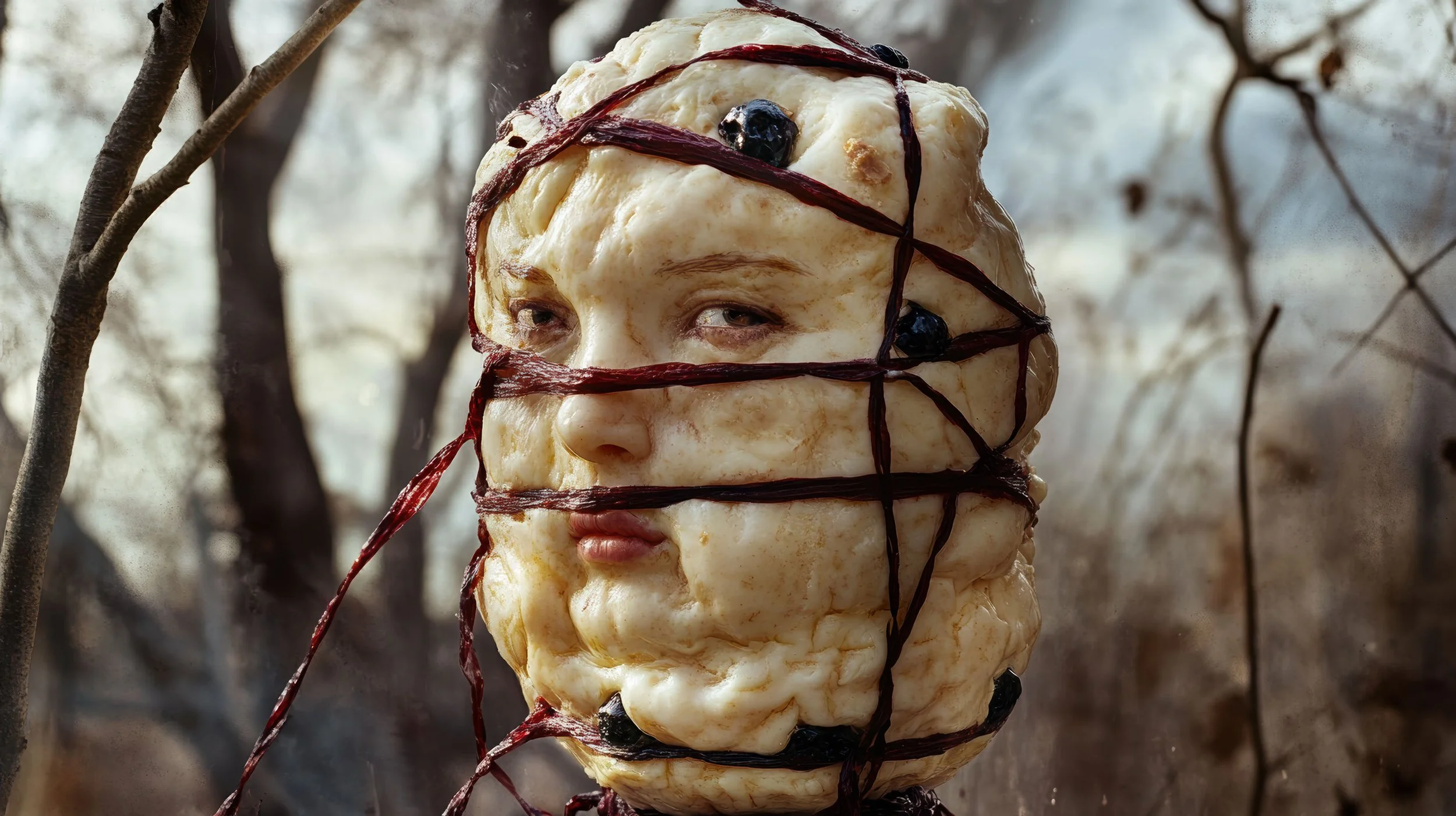
No Penance (2025) is a digital print series depicting portraits of fictional personas rendered in a compound mix of lard, dough and marbled fat each afflicted with oozing sore-like berries, and bound with rope, wire and twine. The project is a visualization of misery underscored with a grave ambiguity – are these portraits of contrition or denial, of judgement or fear of being judged? The images in this series have provided the visual vocabulary for a companion short film, “Our Hands Were Tied” completed in 2026.
LAURA HYUNJHEE KIM
Laura Hyunjhee Kim is a Korean-American multimedia artist who creates post-disciplinary performances to reimagine human and nonhuman interaction through embodied ways of knowing. Her projects are multimodal and take many shapes, including video art, performance art, installation, digital art, new media art, and writing.
Kim’s work has been featured in numerous exhibitions, festivals, and screenings around the world, including at the San Francisco Museum of Modern Art, Crow Museum of Asian Art, KADIST, Pioneer Works, Harvestworks, Transfer Gallery, Telematic Media Arts, Theatre of Digital Art in Dubai, Centro Cultural São Paulo, Vector Festival, and Athens Digital Art Festival. She is the recipient of the ArtSlant Award in New Media (2013), New Media Caucus Distinguished Scholar Award (2019), Judson-Morrissey Excellence in New Media Award (2020), Black Cube Video Art Award (2020), China Academy of Art and Pasha Meta School’s Prix City Digital Skin Art Award (2023), and Texas A&M’s Institute for Applied Creativity and School of Performance, Visualization and Fine Arts and The Arts Council of Brazos Valley’s Creative Process Award (2023). She is the author of “Entering the Blobosphere: A Musing on Blobs” (The Accomplices) and coauthor of “Remixing Persona: An Imaginary Digital Media Object from the Onto-Tales of the Digital Afterlife” with Mark Amerika (Open Humanities Press).
Kim is an Assistant Professor of Visual and Performing Arts at The University of Texas at Dallas, living and working in the company of neighboring songbirds, squirrels, coyotes, and wild rabbits of Texas.
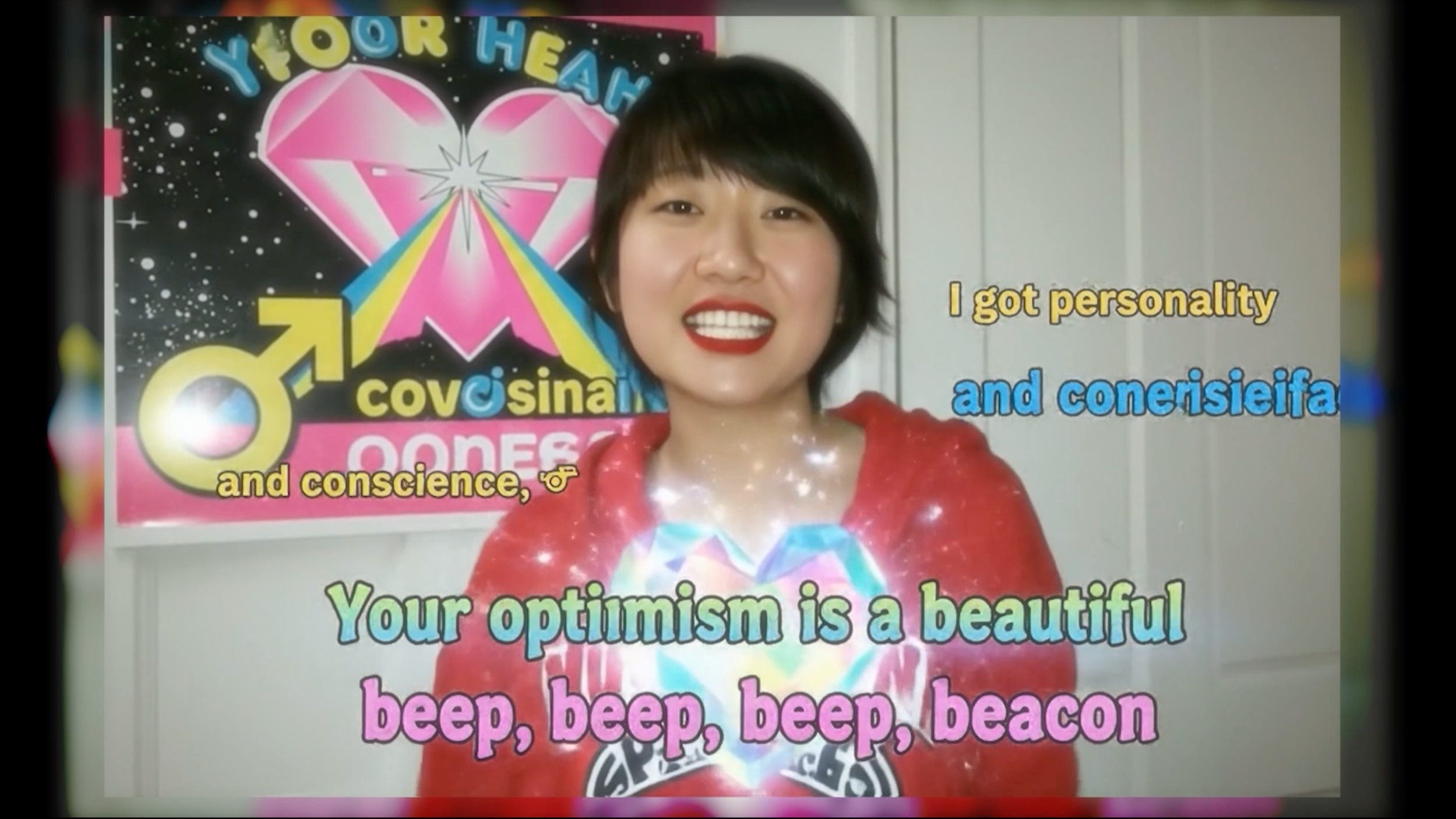
Parapop (2026)
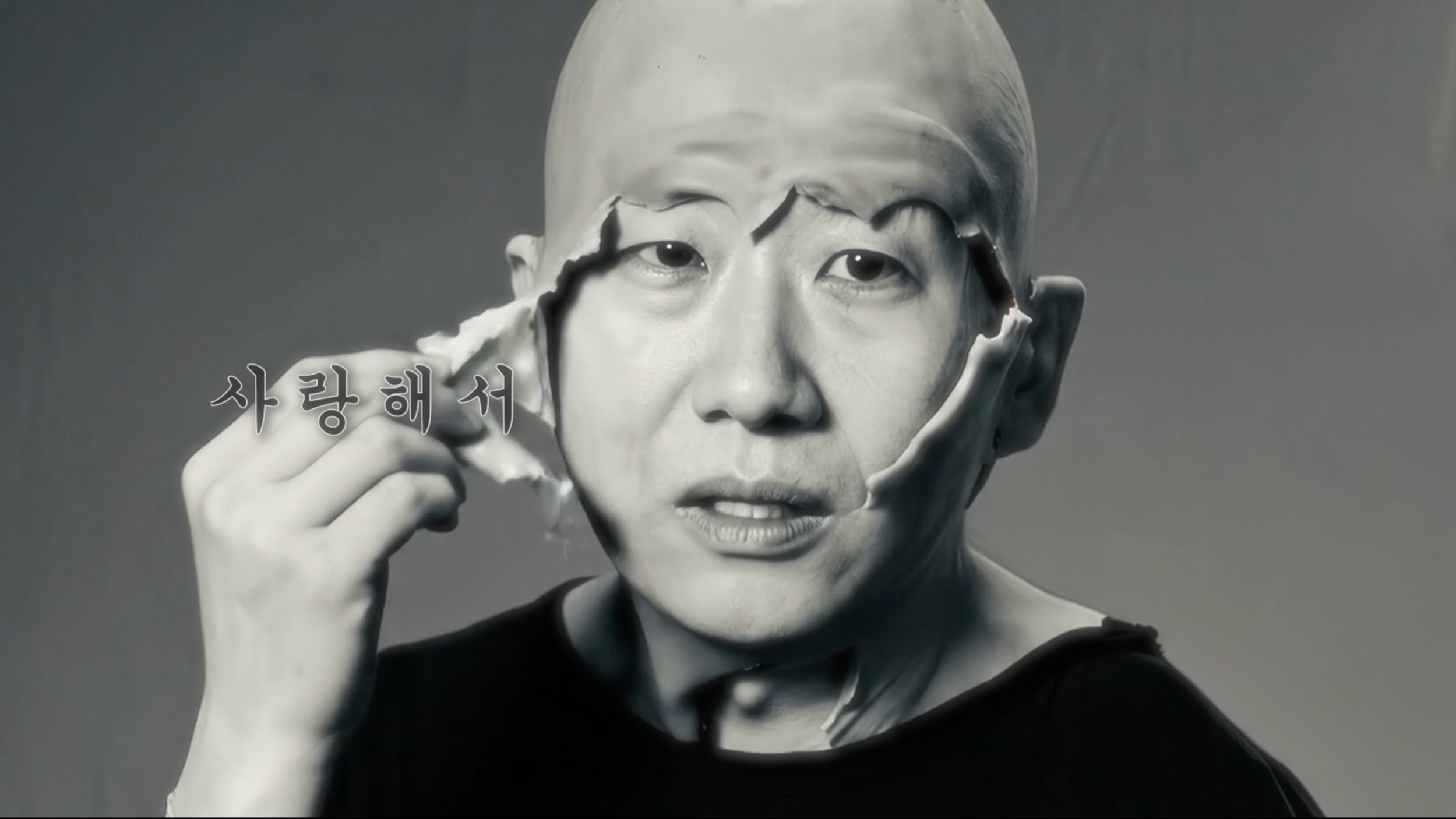
The Breakup (2026)
(THIRD SCREEN FROM THE DOOR)
Traveling 2046 (2022)
Video, 3min 13sec, In collaboration with Chris Corrente, 2022
Traveling 2046 is a performative utterance and personal eulogy that takes the form of a music video artwork. Emblazoned with nonstop prose, hypnotic hooks, and spoken words stitched by means of dream logic, the piece advances without a moment of visual pause or aural silence; relentlessly as time itself. Hyper-stimulating sequences of colorful images generated by 3D body scanners and human/nonhuman AI artists express the temperament of (non)human bodies deeply entangled with the sensorial experiences of ecological, technological, and biopsychosocial time.The project centers the artist’s body as a diffractive prism, a site for living-research that urges nonhuman bodies-to-bodies to see with and through others; sensate, harmonize, shimmer, radiate, as a means to co-create narratives of co-existence. Would expanding our sense-abilities allow us to attune to the (un)forgotten and (un)seen embodied memories of the past and present? What yet-to-be imagined stories of the future are we haunted by and what actions can we take in the real-time-now to co-survive with our awakening apparitions in the anthropocene?
Audiovisual texts in the video were partially sourced and inspired by the works of fellow artists and 1980s-2002s popular music and television, including Japanese pop artist Utada Hikaru’s Traveling (2002).
With appreciation to cited works (in order of appearance):
Utada Hikaru “Traveling” (2002)
Buckminster Fuller as quoted by Incubus “New Skin” (1998)
Thomas Riccio “Blue Jelly” (2022)
John Pomara “Pool Party” (2021-2022)
NBC “Quantum Leap” (1989-1993)
“Blink” examines Human/AI collaboration as a breakpoint in concepts of creativity and artistic identity.
To 'blink' creates a point of convergence and entanglement; a transitory event that holds the power to fix or unfix reality. Each 'blink' creates a subspace beyond what the retina registers, fracturing space-time experiences. 'Blink-by-blink,' the artist duo unveils an indeterminate destination illuminated with imperceptible happenings. AI generated images narrate speculative futures unlocked in kinship with software based co-dreamers. 'Neither here nor there,' an oscillating push and pull between the human-performers and their diffractive aura creates an unresolved cyborgian-world. Contention and flux are deliberate and persistent. In a high-velocity moment of cultural creation, 'blink' and you might miss it, whatever 'it' may be.
Rooted in the pop-sensibilities of contemporary techno-cultural vernacular and poetics, the resulting experiment is a series of kaleidoscopic artifacts and complex culmination of moving images—purposely and immediately outdating itself—provoking human/AI creative collaboration.
SKY'S EDGE (2024)
Video, 2min 10sec, In collaboration with Chris Corrente, 2023
“Sky’s Edge” explores the multidimensionality of screen space, teasing a near-future world where ‘screens without edges’ augment everyday experience; where humans and more-than-humans alike act as participant subjects in a digital cabinet of curiosities; where ephemera is glitch, and glitch becomes kitsch.
In an increasingly rootless and placeless world, “Sky's Edge” longs to restore narrative agency, connection, and belonging as an antidote to displacement, anxiety, and grief. Mixed fidelities and methodologies, from ‘handmade,’ ‘readymade,’ to ‘generative,’ cohere into the artist duo’s signature visual ethos and reflect how myths and knowledge bases influence individuals and create hybrid cultures. Inspired by the Korean literary tradition of “Gasa” travelogues, a poetry genre that touches on nature, beauty, virtues, and play popularized by women since the 15th century, the performance dramatizes the theatricality of natural and synthetic inseparability.
OF THE DAWN (2025)
Video, 2min 30sec, In collaboration with Chris Corrente, 2025
"Of The Dawn" explores liminal spaces where identity fragments and rebuilds itself, becoming porous, fluid, multiplicitous, and ever-evolving. Through a choreography of generated images and performative gestures, the piece examines what happens when the digital self splinters across infinite iterations, accumulating and collapsing into one another, creating a visual blob of alternate possibilities.
The work's deliberate sensory excess creates a vis-surreal experience, where boundaries between authentic human expression and algorithmic performance dissolve. The lyrics describe a speculative 'world without words' where hybrid entities—part human, part machine, part mythical creature—engage in a 'slow dance' of recognition and estrangement. This encounter becomes a metaphor for the post-digital condition in which existence spans multiple digital incarnations, each version embodying the familiar and the alien.
The rhythmic structure mirrors the stuttering temporality of machine perception, where moments of glitch serve not as errors but as necessary ruptures—temporal hiccups that reveal the sublime within the synthetic. "Of The Dawn" asks: In a world where our digital shadows multiply endlessly, which version of self do we choose to wild? The result is a haunting meditation on identity in an age where the self becomes a readymade, constantly remixed and reframed through the meme-performances of its own digital resonance.